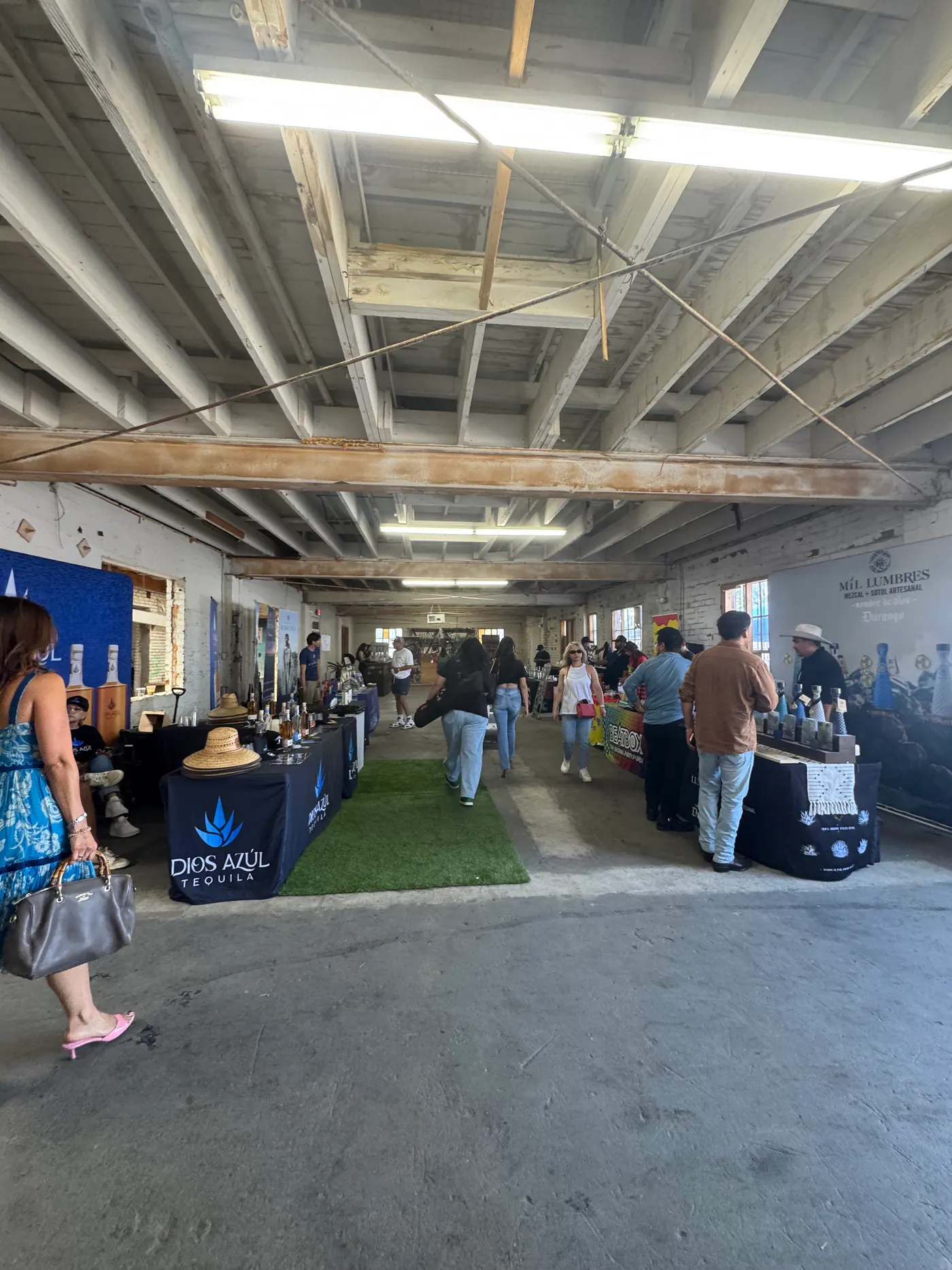
Define the job of the event
Is the goal to introduce a product, host customers, create content, sell, celebrate a collaboration, or bring partners together? A clear goal guides the footprint, schedule, guest list, signage, and the moments that deserve the most production attention.
Walk the space before designing the pieces
A site visit helps determine where the entry, check-in, product display, photo moment, bar or food area, and main activation should live. It also identifies what can be installed, where power or loading needs to be considered, and how guests will move through the event. Confirm all access, capacity, and operational requirements for the final event scope before committing to a layout.
Use production to create the environment
Printed graphics can do more than decorate. Window graphics can announce the event before guests arrive. Floor, wall, and directional signs can guide the room. Table pieces can tell the product story. Banners, backdrops, display blocks, and branded takeaways can turn an open warehouse into a complete brand world.
Plan the build and breakdown
Make a simple run of show for delivery, setup, final checks, doors, and breakdown. Include every vendor and each physical element. The earlier the production and installation plan is aligned with the event schedule, the less last-minute decision-making happens on site.
Keep the next step simple
After the event, give guests a clear place to go: a QR code, a product page, an email sign-up, or a printed card. The event creates attention; the follow-up helps turn that attention into a relationship.